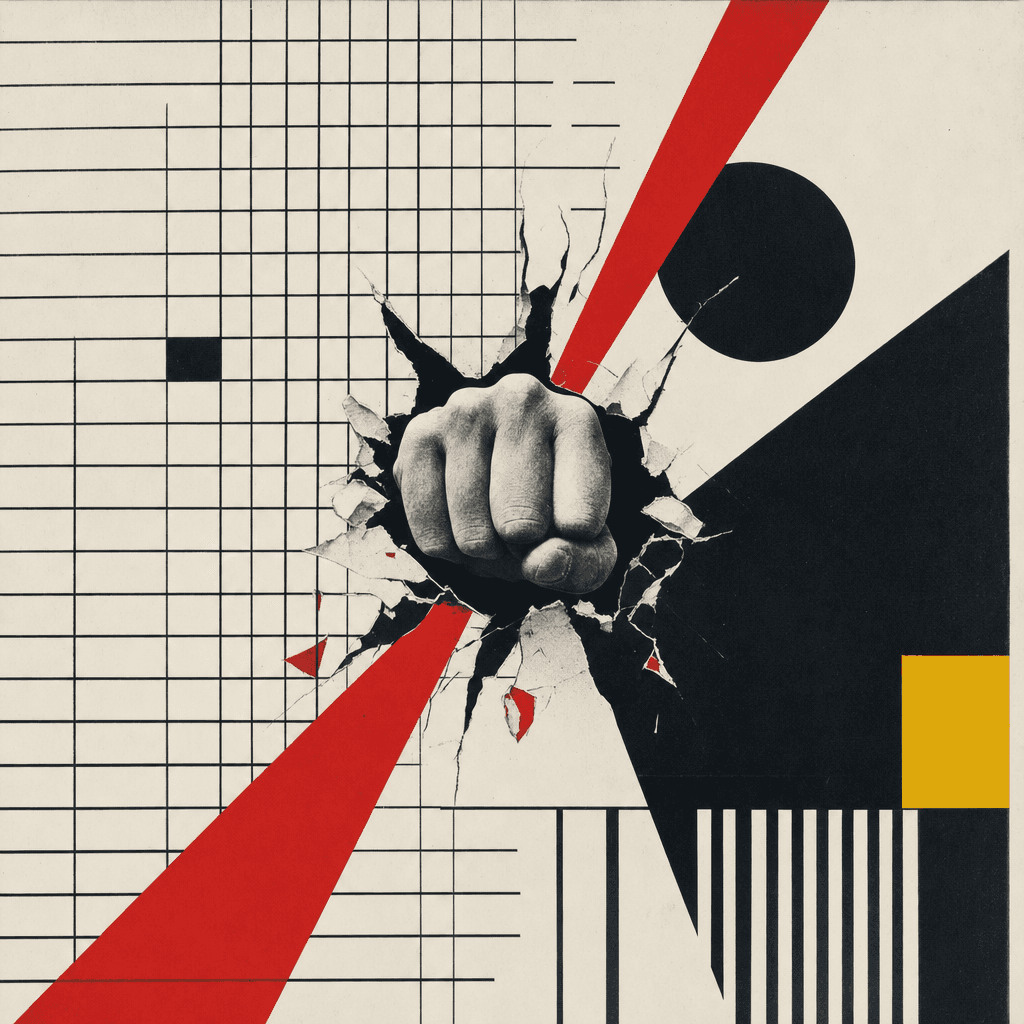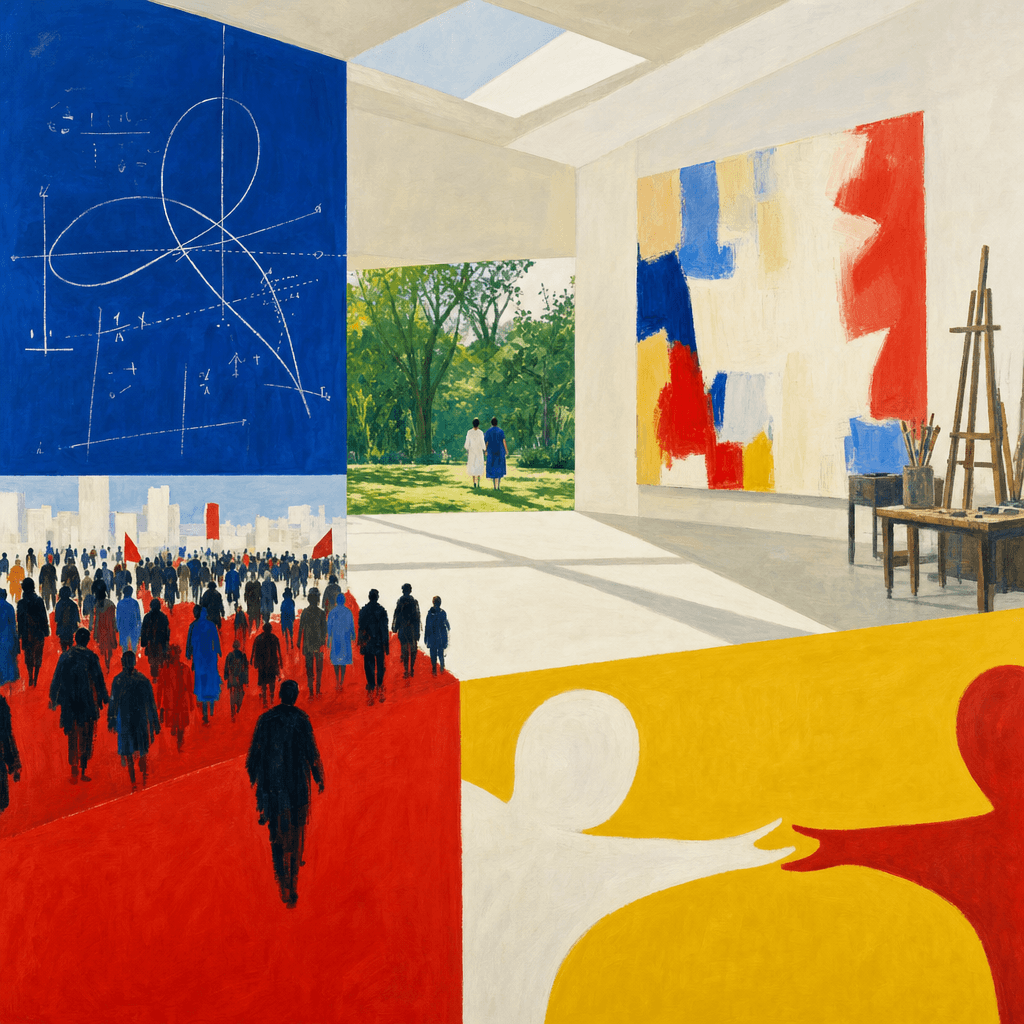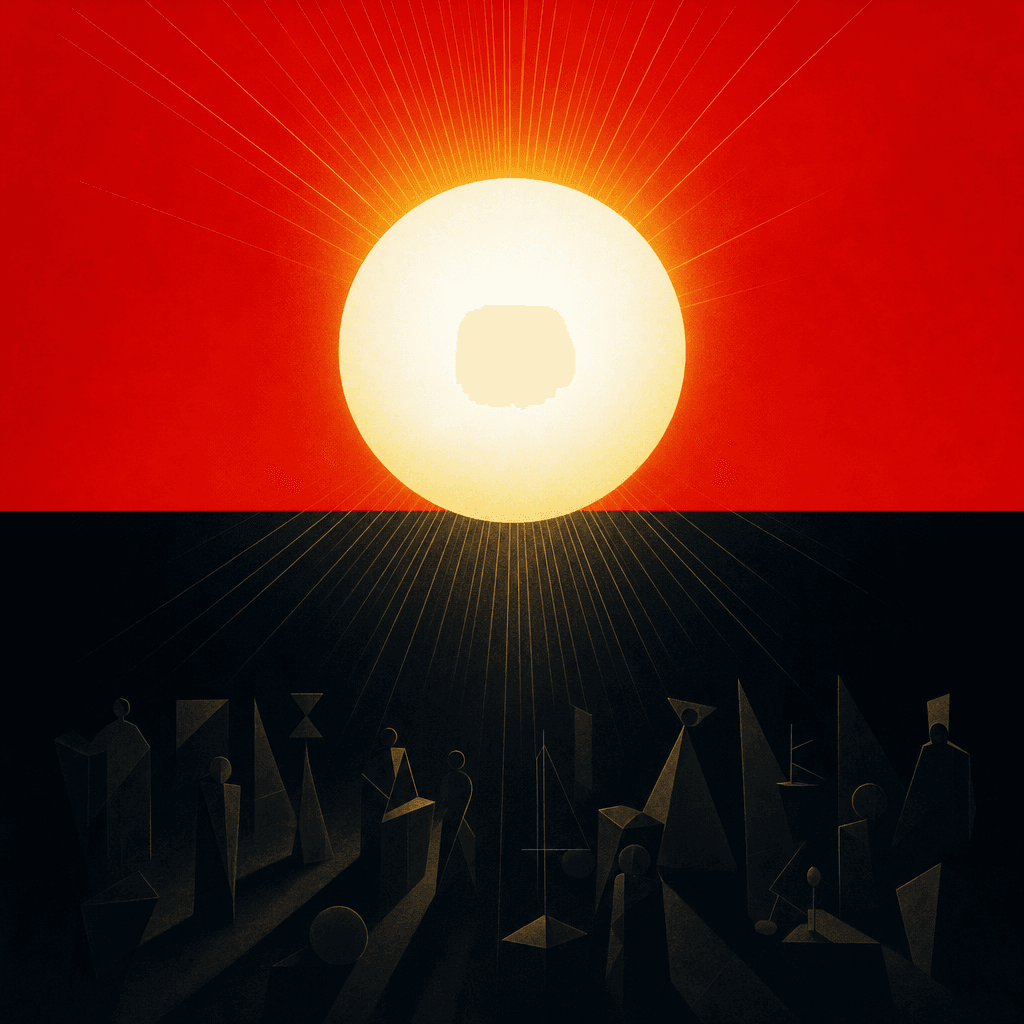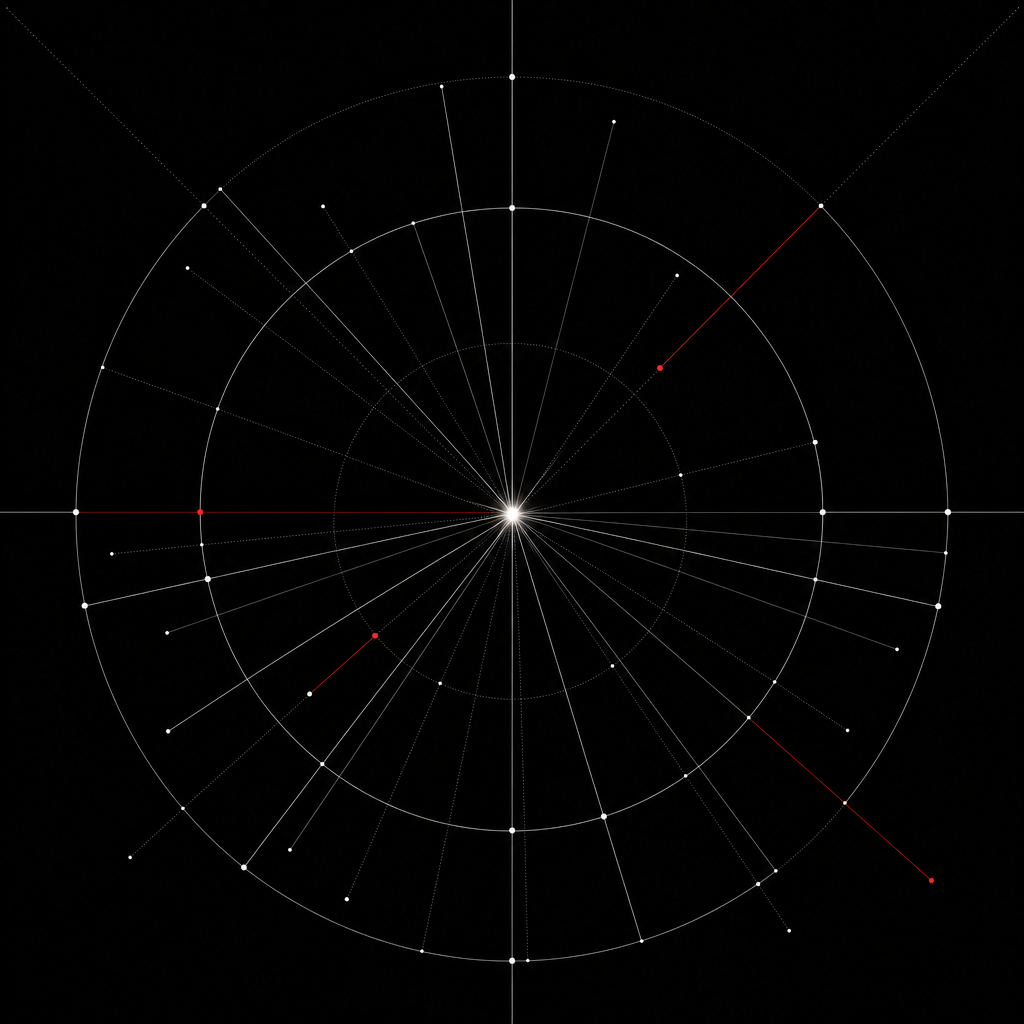
Being and Event (L'Être et l'Événement) is Alain Badiou's magnum opus and one of the most ambitious philosophical works of the twentieth century: a systematic ontology grounded in Cantor's set theory, coupled with a theory of the event, the subject, and truth that challenges both analytic philosophy and poststructuralism. Badiou's foundational claim is that mathematics — specifically axiomatic set theory, as developed in the Zermelo-Fraenkel axioms — is ontology: to be is to be a set, a multiple, and the discourse of pure being is the discourse of mathematics. On this basis, Badiou reconstructs a sequence of metaphysical categories: being as pure inconsistent multiplicity, situations as consistent presentations, the state of a situation as the re-presentation or counting of the situation's subsets, and — most crucially — the void, which every situation includes but never presents. An event is a happening that makes the void visible: it is a supplement to a situation, arising from its edge, that cannot be recognised by the situation's own counting procedures. A subject is what emerges when a human being commits to an event — wagers on its truth and pursues the consequences of that wager with fidelity. Truth is the infinite procedure of fidelity, the transformation of a situation according to the event. The four truth procedures Badiou identifies — science, art, politics, and love — are the only domains in which events and truths occur. Being and Event is the foundation of Badiou's entire philosophical system.
Full text not available
This work isn't available here yet. In the meantime you can purchase a copy on Amazon, or check back later, as we are always adding books to our library.
As an Amazon Associate we earn from qualifying purchases.
More by Alain Badiou
Logics of Worlds: Being and Event II
Alain Badiou
2006
Logics of Worlds: Being and Event II
Alain Badiou
The Immanence of Truths: Being and Event III
Alain Badiou
2018
The Immanence of Truths: Being and Event III
Alain Badiou