The Problem of Thinking
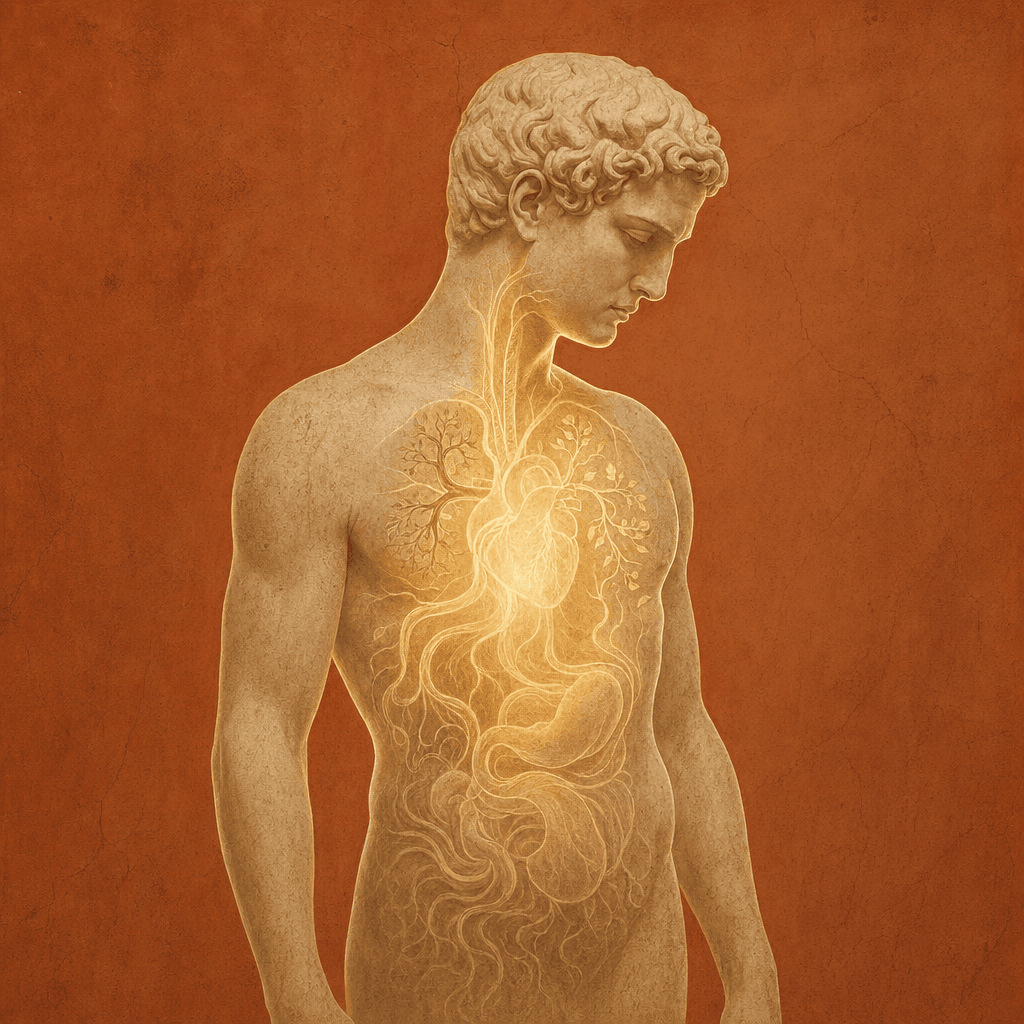
Aristotle's account of sensation is relatively straightforward: the sense organ receives the form of the sensible object without its matter, as wax receives the shape of the signet ring without the gold. Thinking should work analogously: the intellect receives intelligible forms without matter. But thinking is more puzzling than sensing. Sensory organs can be overwhelmed by their objects; the intellect is not damaged by thinking the most intelligible things — it becomes more capable. This suggests that intellect has a different relationship to its objects than sense organs do.
Making and Receiving
To explain how thought is possible, Aristotle distinguishes a passive intellect — a receptive capacity that takes on intelligible forms — from an active intellect that causes thought, as light causes colours to become actually visible. The analogy suggests that just as there is no actual seeing without light, there is no actual thinking without the active intellect. The active intellect does not receive forms from outside but "makes" the forms accessible to the passive intellect — it is the condition of intelligibility, not a faculty among others.
Separable and Immortal
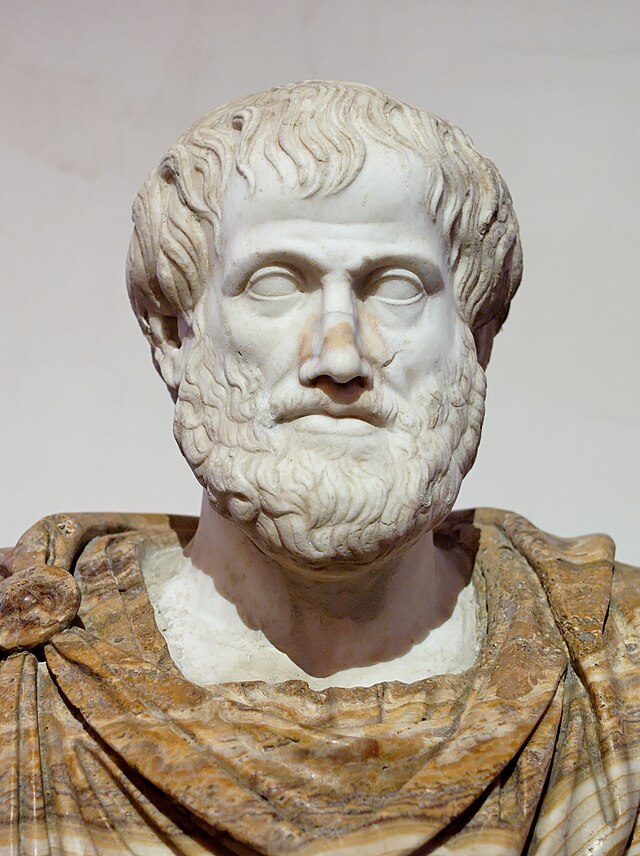
Aristotle says of the active intellect that it alone is separable, and this alone is immortal and eternal. This has prompted centuries of debate: is it a part of the individual human soul, or the divine intellect described in the Metaphysics, or something else entirely? The medieval Arabic tradition (Averroes) read it as a single universal intellect shared by all humans. The Thomist tradition read it as a power of the individual soul. The text alone does not resolve the question, which is part of what makes De Anima one of the most intellectually generative works in history.
De Anima III.5 occupies barely half a page in most translations but generated more commentary than any other passage in Aristotle. Alexander of Aphrodisias, Themistius, Averroes, Aquinas, and Brentano all gave significantly different readings. The question of whether the active intellect is personal or impersonal, mortal or immortal, human or divine remains genuinely open.
Related Concepts