Against Prescription
Burke's Reflections had argued that English liberties were the inheritance of the past — rooted in custom, precedent, and the accumulated wisdom of ancestors. On this view, political rights are legitimate because they have been confirmed by history. Wollstonecraft demolishes this argument: prescription, she argues, cannot undermine natural rights, because natural rights are not derived from human institutions at all. To say that a right is ancient is not to say that it is right.
It is necessary emphatically to repeat, that there are rights which men inherit at their birth, as rational creatures, who were raised above the brute creation by their improvable faculties; and that, in receiving these, not from their forefathers but, from God, prescription can never undermine natural rights.
Reason and Improvable Faculties
What grounds these natural rights is reason — or rather, the capacity for reason. Human beings are distinguished from brutes by their "improvable faculties": the ability to learn, to grow, and to govern themselves by rational principle. This capacity is not distributed by rank or birth or national tradition. It is universal. And because it is universal, the rights grounded in it cannot be limited to one class, one nation, or one sex — a point Wollstonecraft will develop three years later in the Vindication of the Rights of Woman.
What Prescription Cannot Do
The force of Wollstonecraft's argument against Burke is that tradition is not self-vindicating. The fact that an institution has existed for centuries does not tell us whether it is just. Slavery existed for centuries; hereditary monarchy existed for centuries; the oppression of the poor was ancient and entrenched. Prescription, she insists, can never undermine natural rights — but it can obscure them, normalise them, and make their violation seem like the natural order of things.
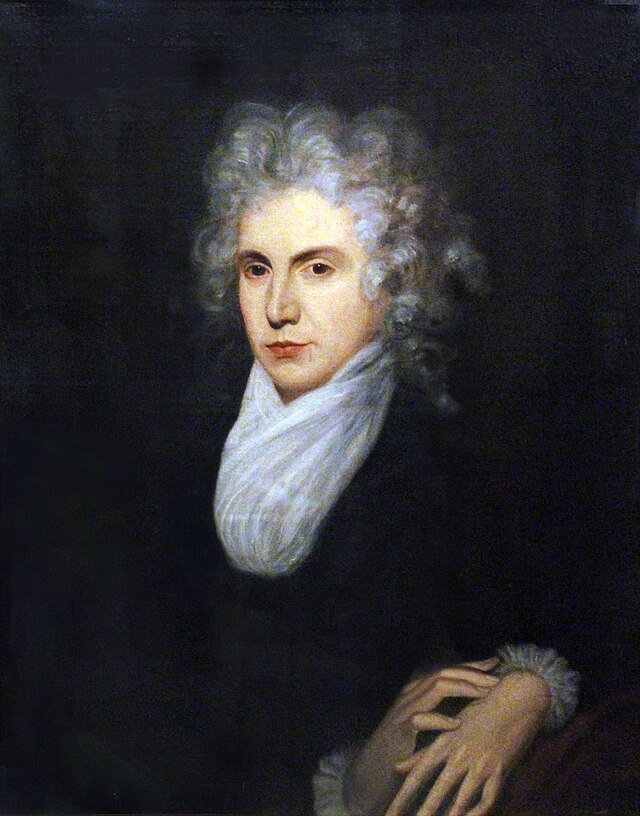
The Rights of Men was published anonymously in 1790, the first response to Burke's Reflections on the Revolution in France. Wollstonecraft published the second edition under her own name, making her one of the first women to enter the public political debate under her own identity.
Related Concepts