The Banquet of Life
The Enchiridion instructs us to behave at life's banquet as a well-mannered guest: when the dish reaches you, take your portion with grace; when it passes without stopping, do not snatch after it. This homely image captures something fundamental to Epictetan Stoicism: the wise person participates fully in life — eating, working, loving, acting in the world — but does not mistake the banquet for a personal possession. The banquet belongs to the host.
Seek not that the things which happen should happen as you wish; but wish the things which happen to be as they are, and you will have a tranquil flow of life.
The Actor in a Play
Another of the Enchiridion's memorable images: you are an actor in a play whose length and character are chosen by the author, not by you. Your task is to act well whatever part is assigned — the pauper, the lame man, the magistrate, the private citizen. Excellence does not consist in choosing the best role but in playing the assigned role as well as it can be played. Nature, or God, or providence has given you a particular life to live; the Stoic project is to live it with full commitment and full equanimity, neither protesting the script nor sleepwalking through it.
Nothing Is Lost, Only Restored
One of the Enchiridion's most striking counsels concerns loss: never say 'I have lost it', but rather 'I have restored it'. The child has died — she has been restored. The estate has been taken — it has been returned to its owner. This reframing is not a trick of language; it is a reorientation of ontology. We never owned what we thought we owned. To speak of restoration rather than loss is to acknowledge the truth of the situation, and to free oneself from the grief that comes from a false sense of ownership.
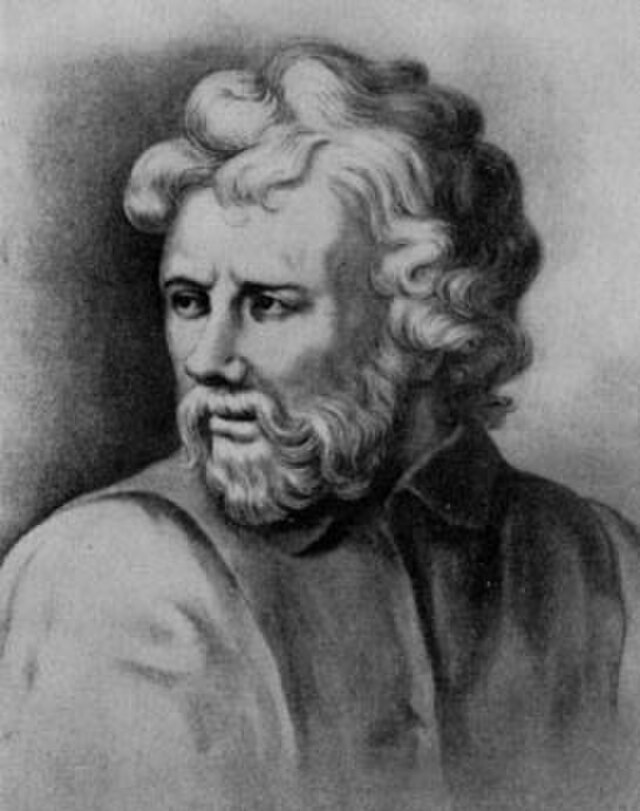
The Enchiridion (here seeded as Chapter 4) was compiled by Arrian from the Discourses as a practical handbook. The banquet image appears at Maxim XV, the actor image at Maxim XVII, and the restoration maxim at Maxim XI.
Related Concepts