The Choice of Oneself
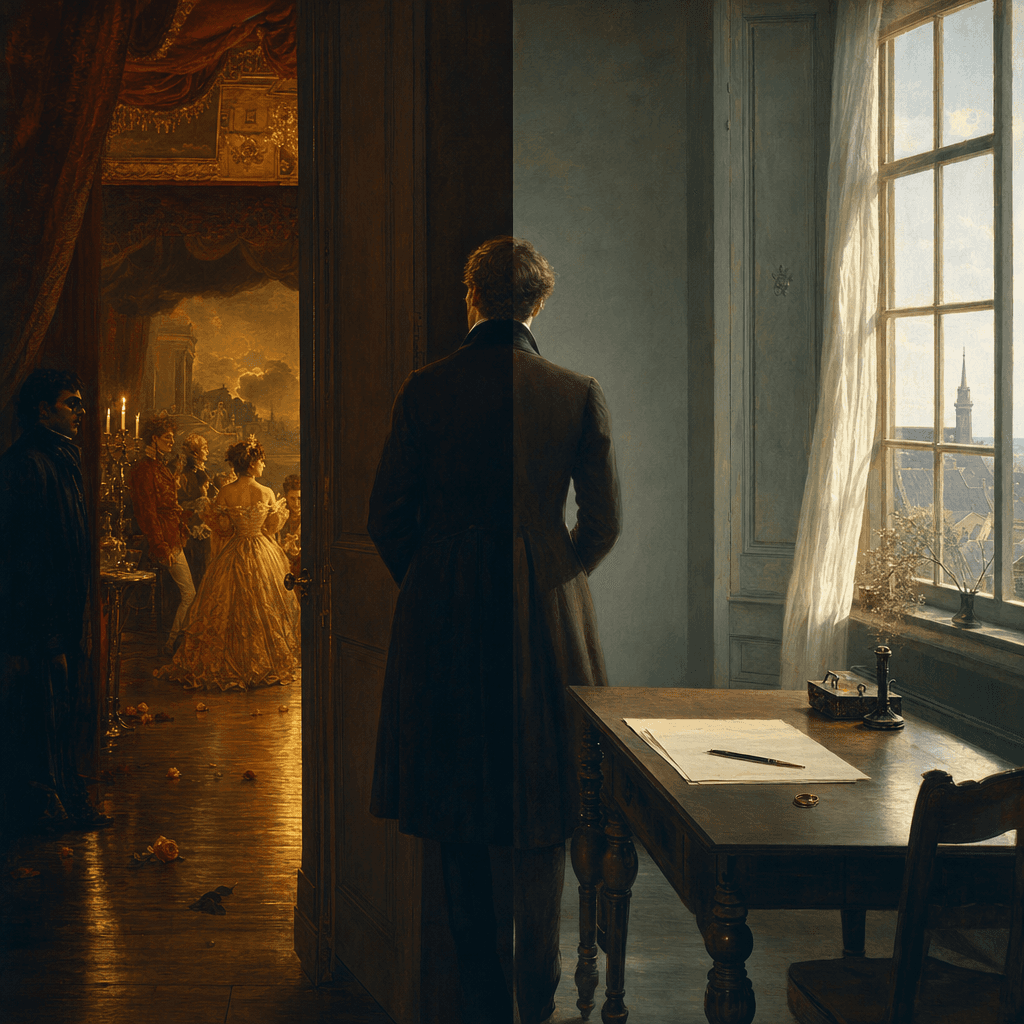
Judge William's central claim is that the movement from the aesthetic to the ethical is accomplished through a fundamental act of self-choice. The ethical person does not simply accumulate good habits or follow rules; they choose themselves — they take responsibility for the self they are, including everything in it that is contingent, limited, and given. This is not the choice of some ideal self but of the actual self, in all its particularity and finitude. The choice transforms what was merely given into what is genuinely one's own.
Marriage as Ethical Paradigm
Judge William defends marriage not as a social institution but as the paradigm of the ethical mode of existence. Marriage is the transformation of erotic immediacy into commitment: the resolution to love this particular person through time, through the loss of novelty, through the ordinary days that no longer carry the charge of first encounter. This is, for the Judge, not a loss but a gain: the deepening of love through time, the discovery of the other as genuinely other rather than as a projection of one's own desires. The aesthete finds marriage intolerable because it destroys what he prizes most — the interesting. The ethical person finds in it the only form of love worth having.
The Limits of the Ethical
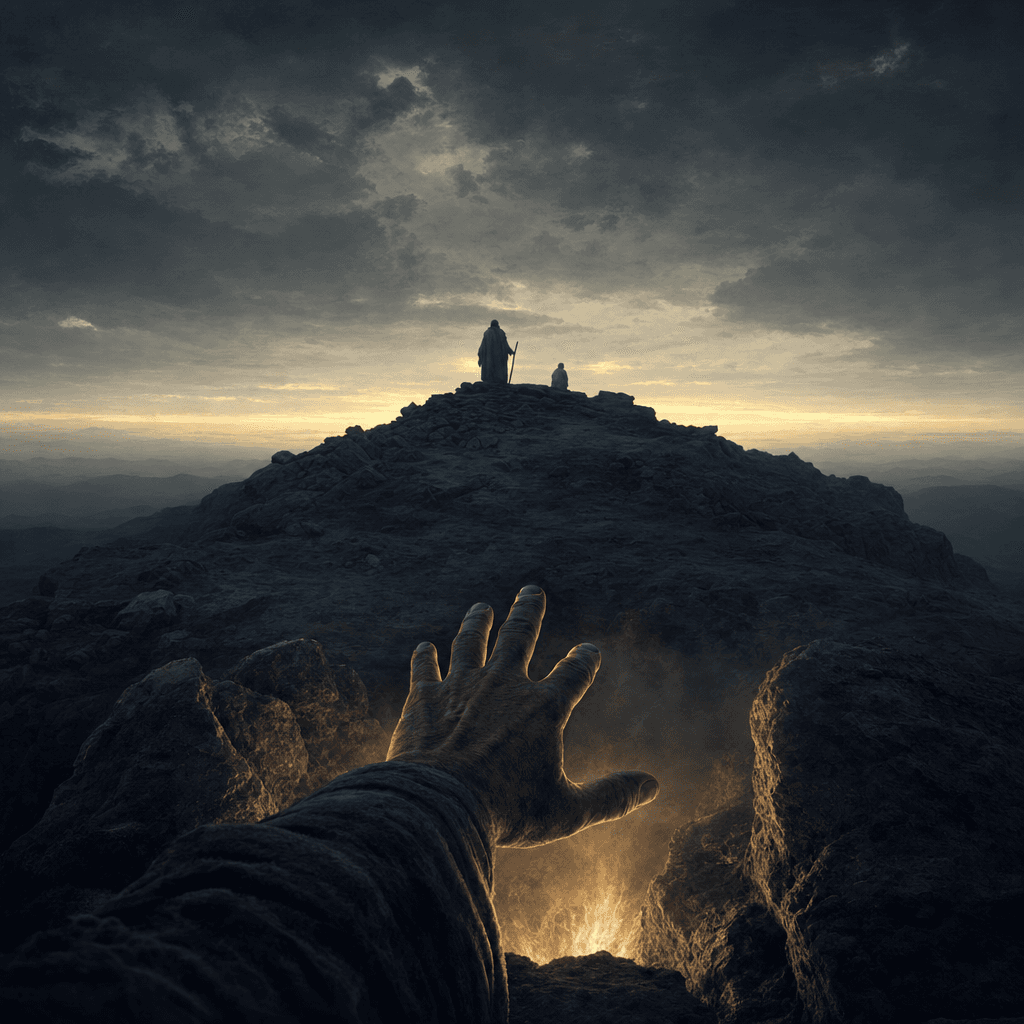
Kierkegaard himself — writing as the editor who found both sets of papers — does not endorse the Judge's position unconditionally. The ethical stage is a genuine advance on the aesthetic, but it is not the highest possibility. Judge William's confident moral universe, his certainty that duty and love and the universal requirements of ethics can organise a human life, does not reckon with Abraham's situation: what happens when God commands the individual to do something that transgresses every ethical universal? This question, which Fear and Trembling takes up directly, reveals that the ethical is itself a sphere that can be surpassed — though at unimaginable cost.
Judge William's ethical letters occupy the whole of Volume II of Either/Or. They were composed by Kierkegaard with exceptional care to present the ethical position in its most persuasive form, making Either/Or genuinely a book of two voices rather than a disguised argument for one side.
Related Concepts