The Cost of Ignorance
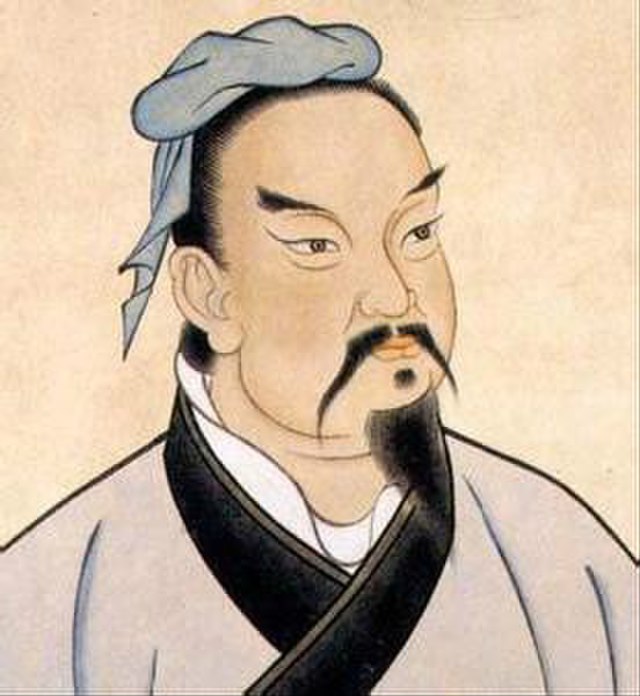
Sun Tzu opens Chapter XIII with a calculation of the human cost of war — the hundreds of thousands of men, the seven hundred thousand families disrupted, the drain on the treasury. Having shown how expensive campaigns are, he argues that it is inhumane to begin a campaign without first spending a trivial sum on intelligence. To withhold that spending out of parsimony while sending a hundred thousand men to their deaths is the height of mismanagement. The good commander spends where it is cheap and saves where it is dear.
Sun Tzu distinguishes five classes of spies: local inhabitants, officials of the enemy, converted enemy agents, doomed agents sent to spread false information, and surviving agents who return with reports. When all five are operating simultaneously in a "divine manipulation of the threads," no secret remains hidden. The converted spy — the enemy's agent turned to your service — is the most valuable of all, because through him you can manage and verify all the others.
what enables the wise sovereign and the good general to strike and conquer, and achieve things beyond the reach of ordinary men, is foreknowledge.
The Nature of Foreknowledge
Sun Tzu is emphatic that foreknowledge cannot come from oracles, from the spirit world, from purely inductive analysis of past events, or from abstract calculation. It can only come from men — from people inside the enemy's camp who see and report what is actually happening. This insistence on human intelligence as the irreducible source of strategic knowledge is strikingly modern. No model of the enemy, however sophisticated, replaces the agent's report; no calculation displaces the spy.
Spies are a most important element in war, because on them depends an army’s ability to move.
Chapter XIII, "The Use of Spies," is the culminating chapter of the treatise and is widely considered Sun Tzu's most original contribution to military thought. The five classes of spy anticipate modern intelligence doctrine by more than two millennia.
Related Concepts