Two Tools, Two Knowings
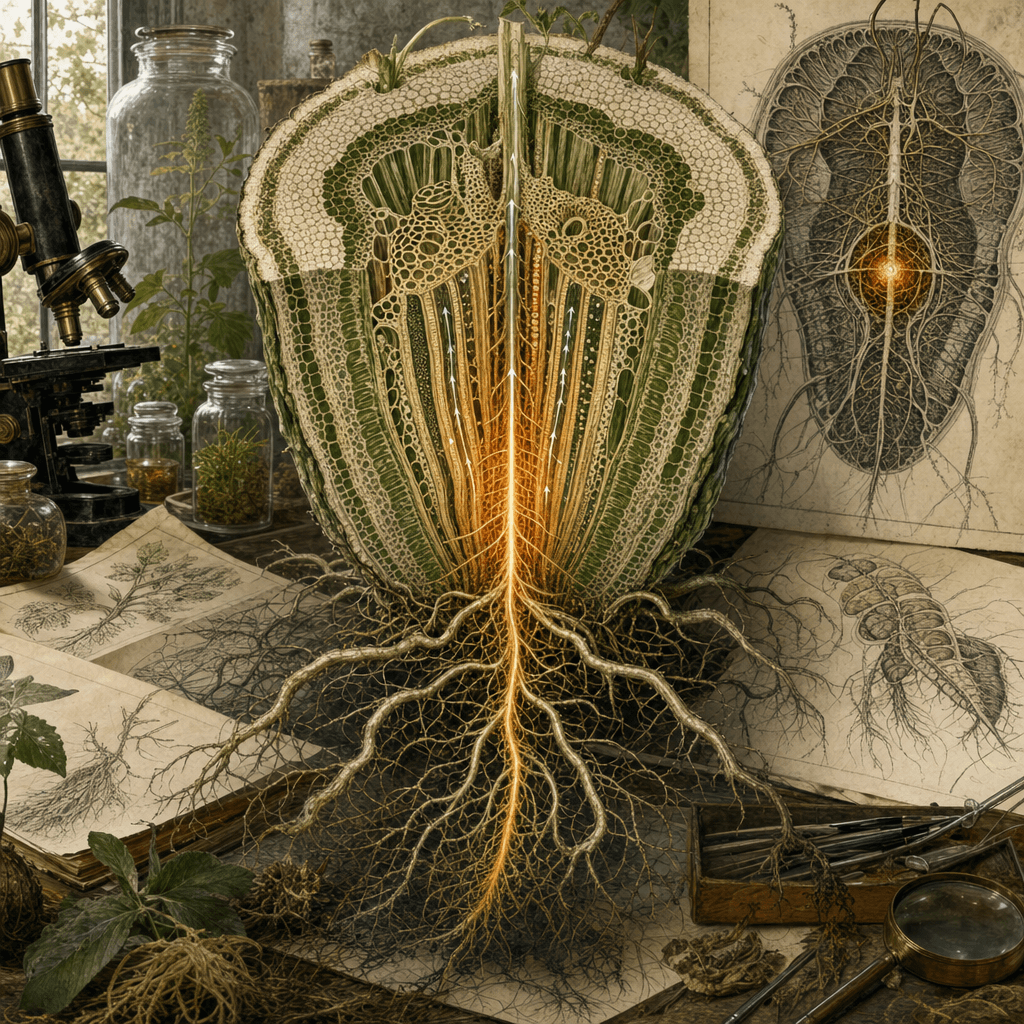
Bergson roots the distinction in biology. Instinct uses an organized instrument — an organ that is part of the body itself; intelligence makes and uses unorganized instruments, tools external to the body. This is why intelligence is unlimited in range but external in grasp, forever going around its object, while instinct is narrow but intimate.
instinct perfected is a faculty of using and even of constructing organized instruments; intelligence perfected is the faculty of making and using unorganized instruments.
Intelligence and Matter
Intelligence is superbly fitted for its task — acting on inert matter, cutting the world into solids it can handle and recombine. But that very fitness is a limit: intelligence is characterized by a natural inability to comprehend life, because it spatializes, and life is duration. It knows the manufactured, not the living.
Intuition
Instinct feels its object but cannot reflect on it. Bergson’s hope is that the instinctive sympathy latent in us can be turned into knowledge — intuition, which he defines precisely as instinct become disinterested, self-conscious, and capable of reflecting on its object.
by intuition I mean instinct that has become disinterested, self-conscious, capable of reflecting upon its object and of enlarging it indefinitely.
The analysis of instinct, intelligence, and intuition is the argument of Chapter II of Creative Evolution.
Related Concepts