Property and the State
Property is not natural for Rousseau — it is a social institution whose legitimacy depends on the political order that sustains it. Citizens who hold property hold it under the protection of the law, and they owe something to the community for that protection. Taxation is not an imposition on pre-political rights; it is the price of membership in a community that makes property possible in the first place.
Progressive Taxation as Justice
From this foundation, Rousseau argues for a progressive principle: the tax burden should fall more heavily on luxury than on necessity. The rich, who benefit most from the social order, should contribute most to its maintenance. Taxes on luxury goods — fine clothes, large estates, personal servants — are the most just form of revenue, because they burden those least able to be hurt by them and most able to bear the cost.
Heavy taxes should be laid on servants in livery, on equipages, rich furniture, fine clothes, on spacious courts and gardens, on public entertainments of all kinds, on useless professions, such as dancers, singers, players, and in a word, on all that multiplicity of objects of luxury, amusement and idleness, which strike the eyes of all, and can the less be hidden, as their whole purpose is to be seen, without which they would be useless.
Taxation and Liberty
Rousseau makes a striking distinction between taxes on goods and personal taxes. A tax on a person — a poll tax or a tax on mere existence — strikes at the core of civic dignity. It treats citizens as things to be measured and assessed, not persons to be respected. Only taxes on property and activity are consistent with the dignity of free citizenship. A government that taxes its citizens' persons rather than their goods has already ceased to treat them as free.
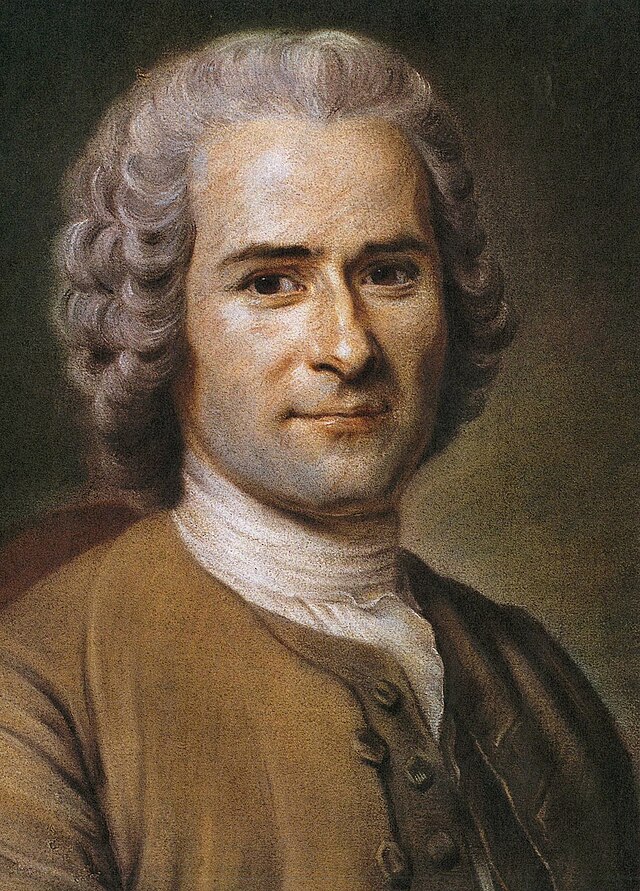
Taxation is discussed in the final sections of the Discourse on Political Economy (1755). G.D.H. Cole translation, 1913.
Related Concepts