Form and Finality
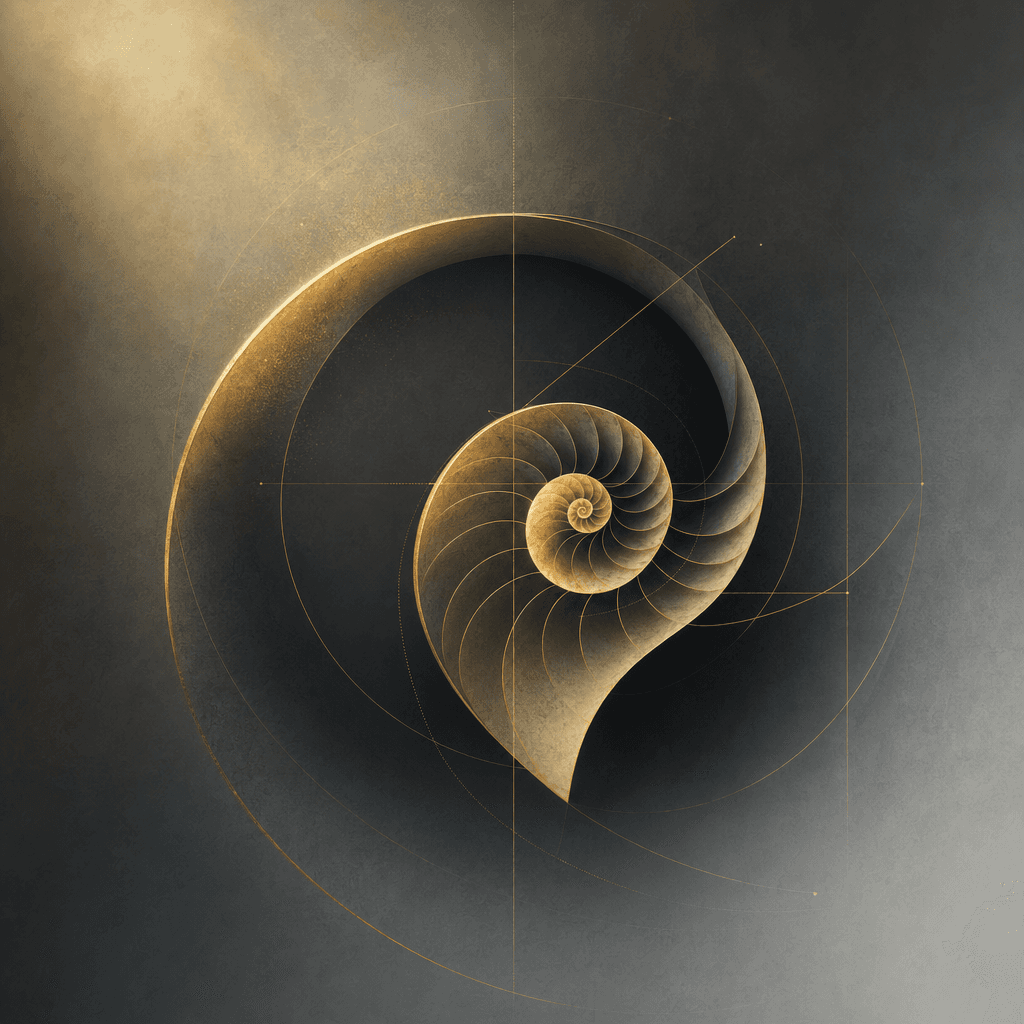
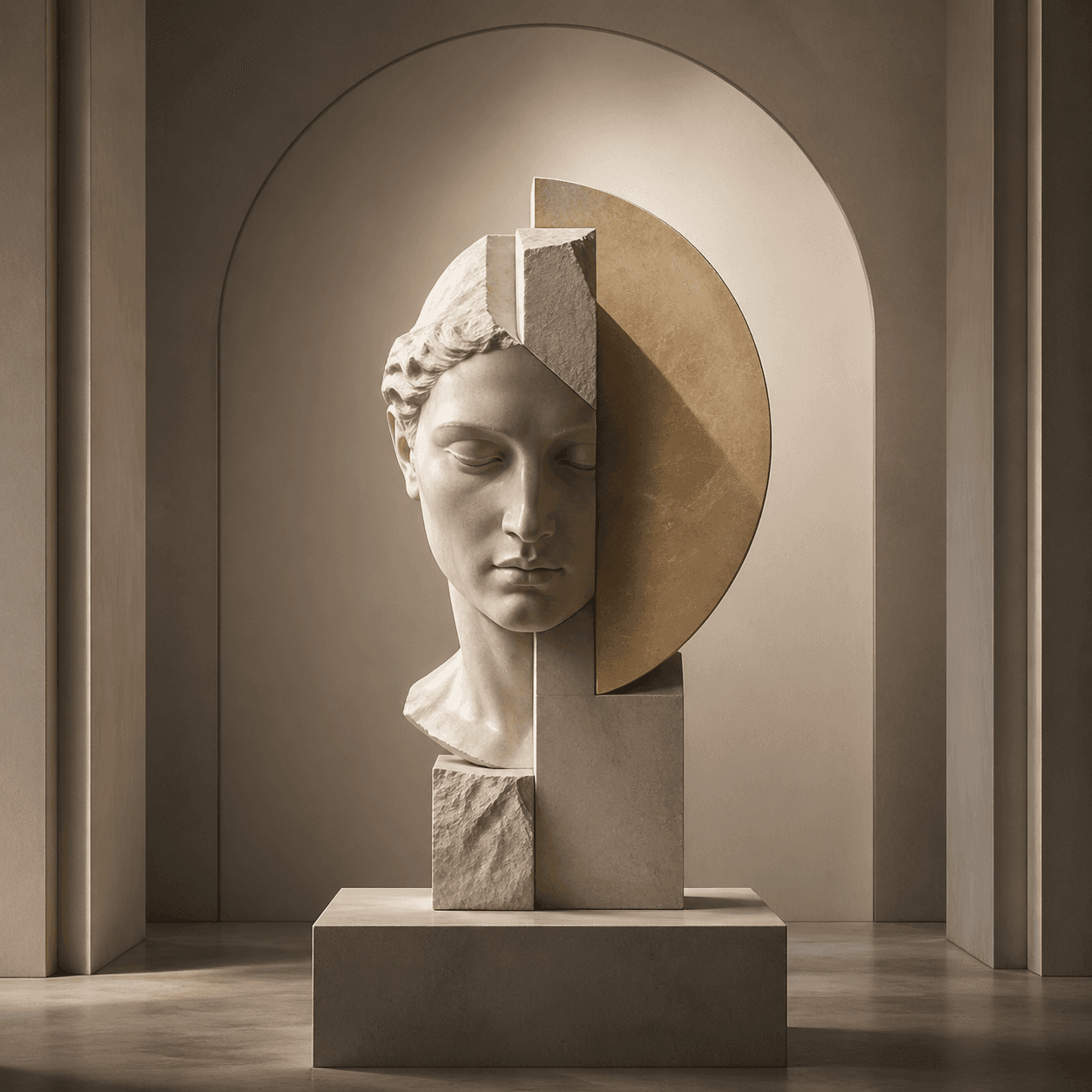
When we perceive a beautiful flower or a well-formed building, we apprehend its parts as fitting together, as though the whole were organised toward some end. This sense of finality — of parts serving a whole — is what Kant calls 'purposiveness.' Yet the beauty of the object cannot be reduced to the fulfilment of any stated function: a building designed purely for utility may fail to be beautiful; a flower has no purpose we can name that explains why it pleases.
Subjective Finality
The purposiveness of the beautiful is subjective: it lies not in a real purpose inscribed in the object but in the way the object's form sets the cognitive faculties into their characteristic free play. The object is purposive for our act of contemplation, not for any external end. This is why beauty cannot be captured by rules: there is no algorithm for producing the harmony that constitutes aesthetic experience.
Nature as Art
The concept of purposiveness without purpose has its deepest application in our experience of natural beauty. When we find a landscape or an organism beautiful, we judge it as if nature were an artist producing for our pleasure — yet we do not literally believe this. Kant argues that this 'as if' is indispensable: it reflects our demand to find nature intelligible and our pleasure when it rewards that demand without being commanded to do so.
Purposiveness without purpose (Zweckmäßigkeit ohne Zweck) is the centrepiece of the third moment of the Analytic of the Beautiful, §§17–22.
Related Concepts