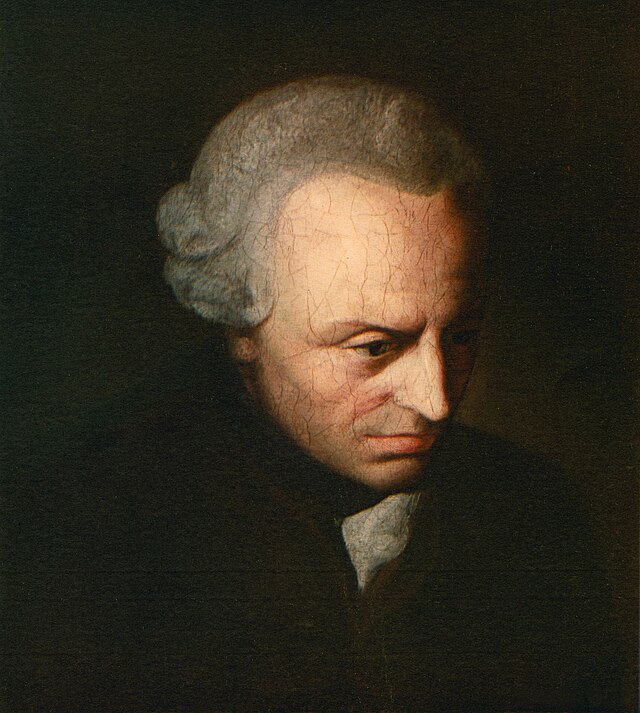
The Propensity to Evil
Kant argues that every human being has an innate 'propensity to evil' — a tendency to reverse the proper order of motives by placing inclination before duty. This is not a claim about any particular action or character; it is a structural claim about the shape of the human will. We are capable of recognising the moral law, but we are also systematically inclined to make exceptions for ourselves when the law is inconvenient.
Radical but Not Absolute
Radical evil is radical because it goes to the root (radix) of the will — but it is not absolute. Kant does not hold that humans are incapable of moral action or that the moral law has lost its hold on us. The propensity to evil is a feature of our practical orientation that can be countered by a 'revolution of the will' — a fundamental reorientation of our maxims toward duty as the supreme motive.
Responsibility and Hope
Despite being called 'innate,' radical evil is not a natural necessity for which we bear no responsibility. Kant insists that we are culpable for our own propensity to evil, even though we cannot point to a specific free act in which we chose it. The flip side is hope: because the propensity is a matter of our free practical disposition rather than our nature as sensible beings, we retain the capacity for moral improvement.
Radical evil is the subject of Book One of Religion within the Bounds of Bare Reason.
Related Concepts