The Autonomy of the Religious
Against the reductions of Enlightenment rationalism — which saw religion as prescientific cosmology, moral psychology, or social institution — Scheler argues that the religious act is irreducible. To pray, to sacrifice, to sense the holy, to feel humility before the divine — these are specific intentional acts directed at a specific class of objects that are not encountered in any other mode of experience. The holy is not the morally good writ large, not the sublime, not the mysterious-but-natural: it is sui generis, known only through acts of a specific kind.
God and the Act of Love
The God that religion intends is known not through theoretical argument but through acts of love, submission, and worship that open the person to encounter with the divine. This is not irrationalism — Scheler believes philosophical theology is possible and important — but a claim about the order of knowledge: argument can clarify what love has already disclosed, but it cannot substitute for it. A person who has never experienced reverence, awe, or the sense of absolute dependence cannot be argued into genuine religious knowledge; she can only be shown, and then must look for herself.
The Phenomenology of the Sacred
Scheler analyses the specific character of sacred objects: they are experienced as absolutely valuable, as commanding unconditional reverence, as demanding a specific quality of attention that is not appropriate to other kinds of object. The sacred makes demands that override all other demands; it calls for responses — prayer, worship, sacrifice — that are not proportioned to any empirical benefit; it generates an experience of personal unworthiness and inadequacy that is not merely psychological but cognitively appropriate to the object. To encounter the holy is to encounter something that is genuinely greater than oneself.
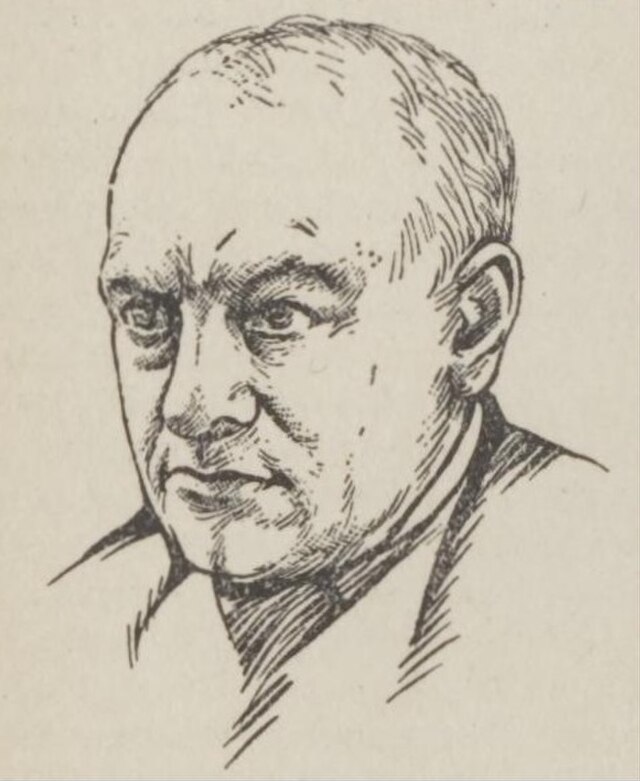
On the Eternal in Man was published in 1921, the period of Scheler's closest alignment with Catholic Christianity. His later work moved toward a more heterodox metaphysics, but the phenomenology of religious experience remained central to his project.
Related Concepts