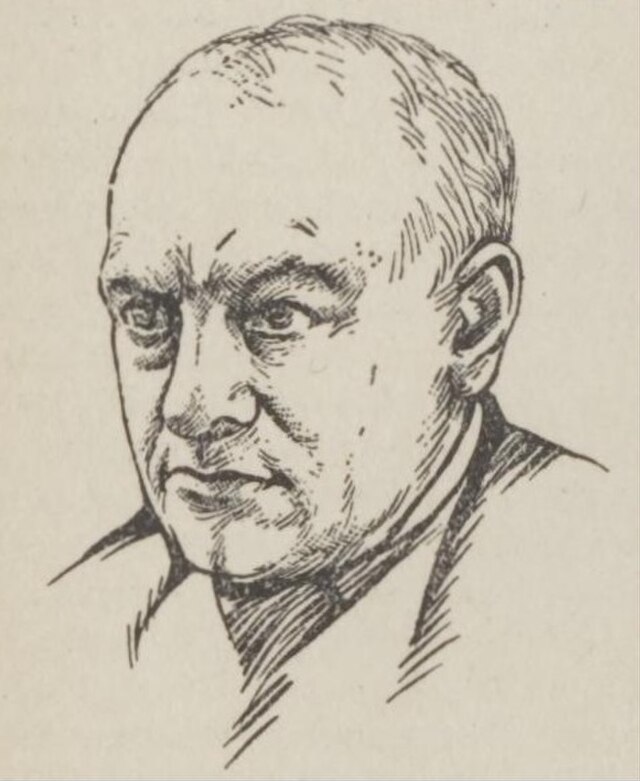
The Structure of Ressentiment
Ressentiment is not simply envy or resentment — it is a specific psychological and moral structure. It arises when a person experiences a strong impulse (desire for revenge, envy of a superior) that she cannot satisfy through direct action, and the resulting tension becomes lodged in the psyche as a chronic poisoning of the emotional life. The ressentiment-filled person cannot act against the object of her envy, so she sublimates: she redefines values so that what she cannot have becomes worthless, what she is becomes noble, and what the superior has becomes contemptible. The revaluation is not conscious — it is a self-deception that has become a way of seeing.
Nietzsche's Error
Nietzsche argued that Christian love — the love of the poor, the meek, the suffering — is itself an expression of ressentiment: the weak's covert revenge on the strong, dressed up as universal moral law. Scheler agrees that much of what passes for Christian ethics in modernity is ressentiment-driven: the humanitarian who loves suffering humanity in the abstract while despising actual persons, the equalitarian whose drive for equality conceals hatred of excellence, the ascetic whose renunciation masks a frustrated desire for the very pleasures he renounces. But he argues that these are perversions of Christianity, not its essence.
Authentic Christian Love
Genuine Christian agape, Scheler argues, does not originate in weakness or frustrated desire but in a positive overflow of love — a love that moves from fullness, not from lack. When Christ turns to the sick, the outcast, and the sinner, he is not celebrating weakness or covertly punishing strength: he is directing the full force of a love that has no need to protect itself toward those who most need it. This love is prior to and independent of any comparison with the strong. It is not a revaluation that crowns defeat as virtue but a new form of positive attention — the discovery that the neighbour, in her particularity, is infinitely valuable.
Ressentiment was published as an essay in 1912 and expanded in 1915. Scheler's engagement with Nietzsche was one of the most sophisticated responses to Nietzsche's moral philosophy in the early twentieth century.
Related Concepts