Society as Natural Association
Society arises from our wants — from the fact that human beings need one another and naturally come together to meet their needs collectively. It promotes happiness by uniting the affections of many into a common project. Paine's picture of natural society is essentially benign: people cooperating voluntarily, trading, helping, forming communities. This is not the state of nature that Hobbes imagined — a war of all against all — but something closer to what later thinkers would call civil society: the spontaneous order of free exchange and mutual aid.
Government as Punishment
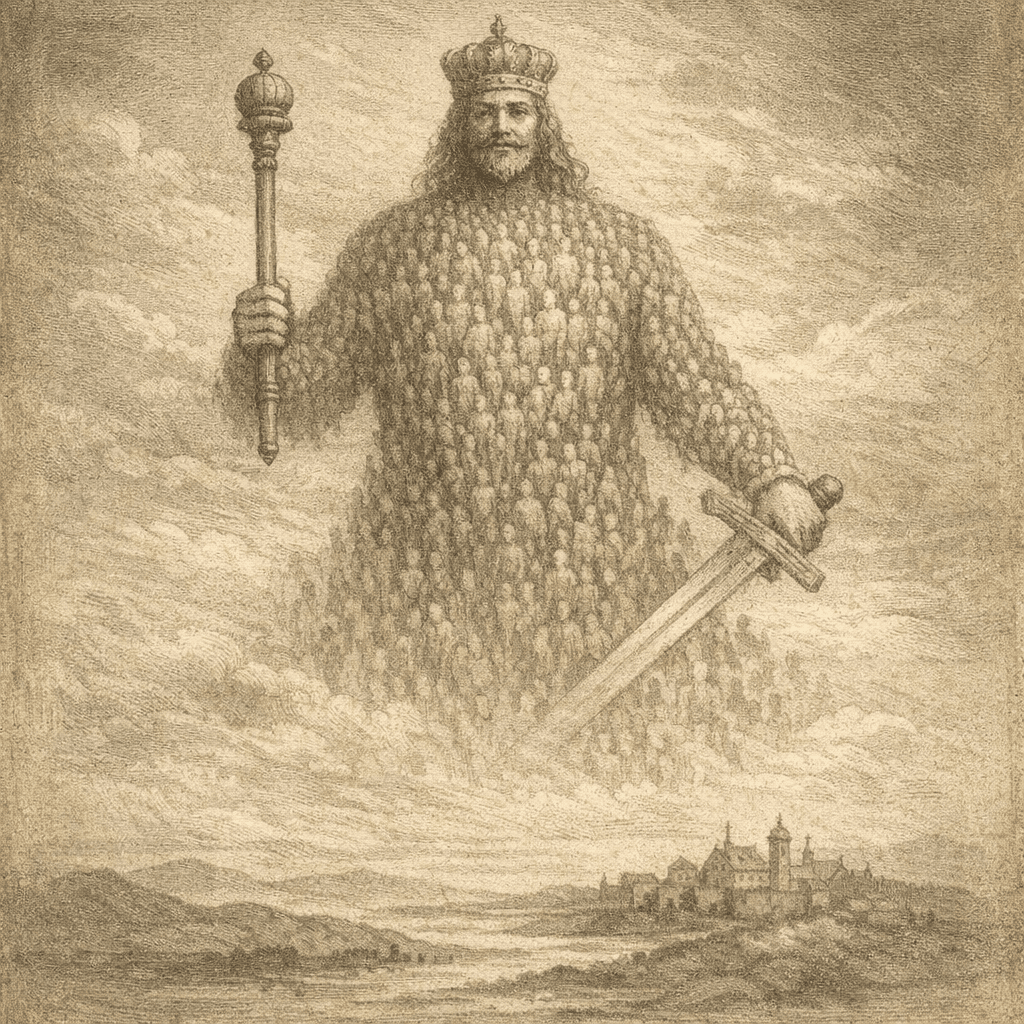
Government, by contrast, arises from our wickedness — from the fact that not everyone cooperates voluntarily, that some people violate the natural associations of society and must be restrained. Government is a badge of lost innocence, as Paine memorably puts it. It is what we are forced to accept because we are not as naturally cooperative as we could be. Its best possible character is merely restraint of vice; it cannot produce virtue, create prosperity, or generate genuine community. It can only prevent the worst from harming the rest.
The Political Consequence
The practical consequence of this distinction is that the value of any government is measured solely by how little it costs — in money, in liberty, in human energy diverted from productive to political activity — to achieve the minimum of security it is supposed to provide. A government that does more than this minimum is not benevolent but intrusive. By this standard, the British government of the American colonies was a catastrophic failure: it imposed enormous costs in taxation and trade restriction while providing no security benefit the colonists could not have provided for themselves. The case for independence was, on this analysis, simply the case for efficiency in government.
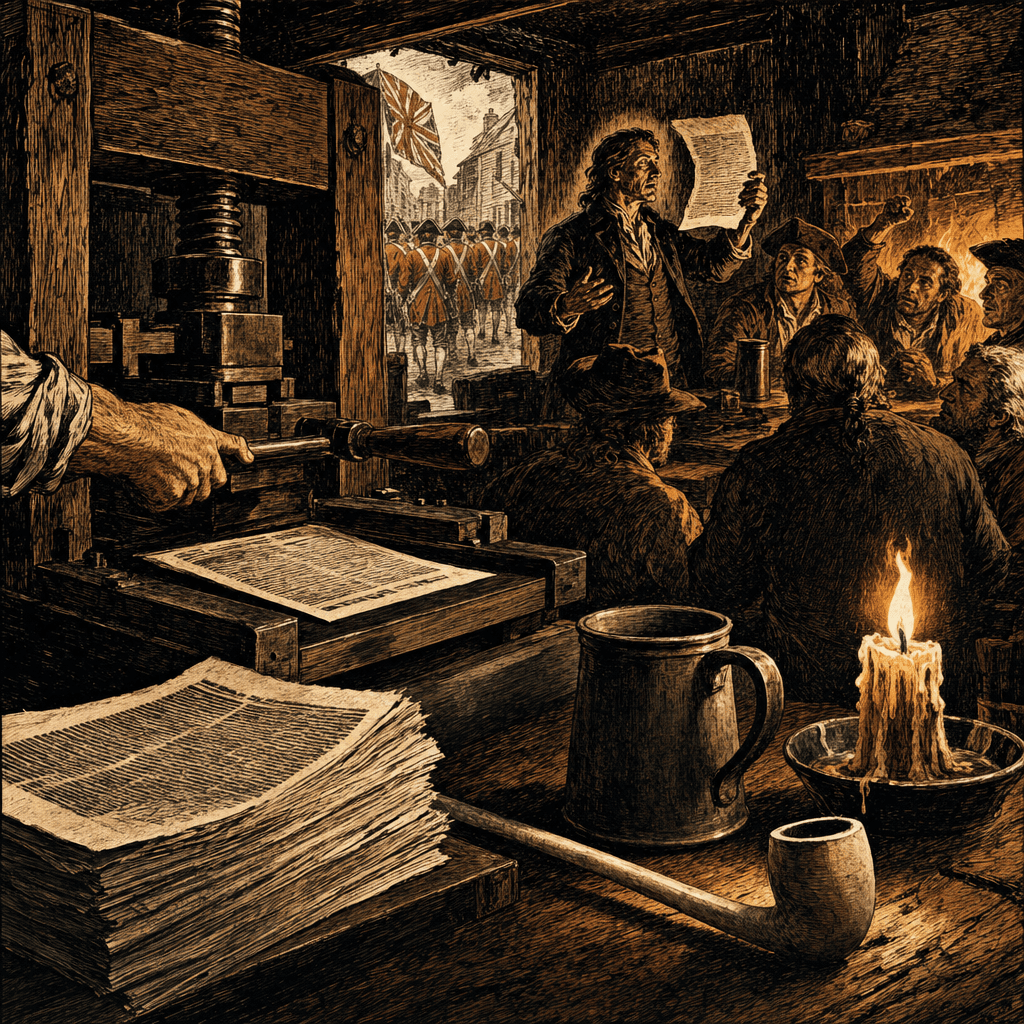
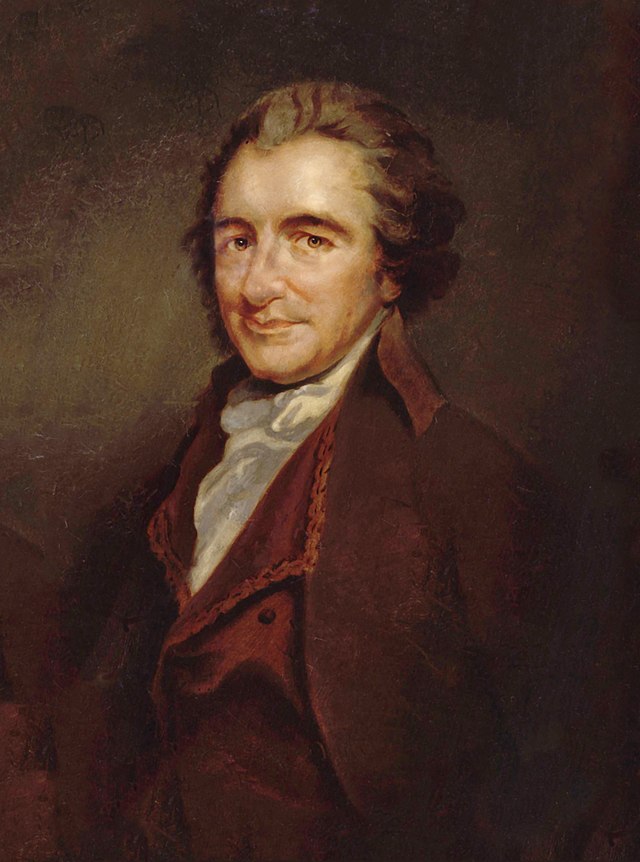
The opening paragraph of Common Sense — distinguishing society from government — is one of the most reprinted passages in the history of political writing. It was read aloud in American coffee houses and taverns and is widely credited with shifting popular opinion from petitioning for reform to demanding independence.
Related Concepts