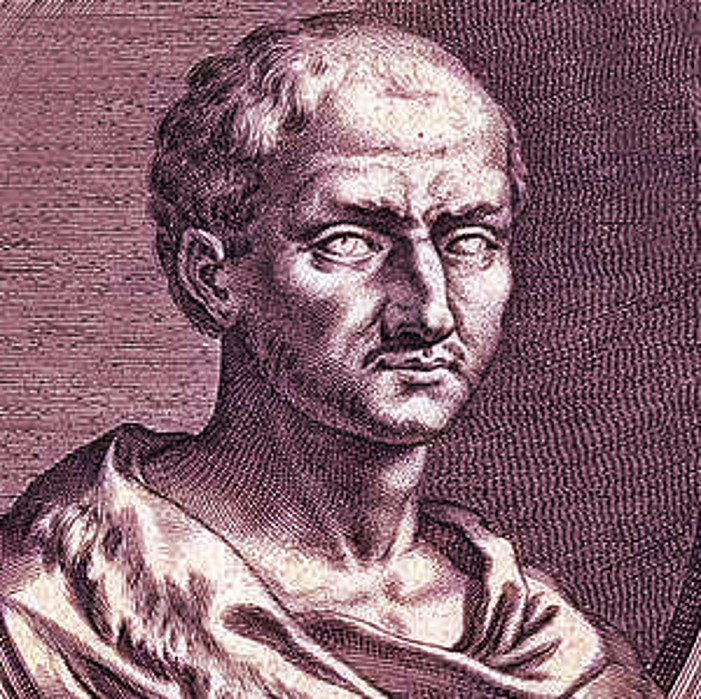
The Problem of Foreknowledge
If God already knows what I will do tomorrow, it seems I cannot do otherwise—and if I cannot do otherwise, my choice is not free. This is the problem of theological fatalism, and it troubled Boethius because its conclusion would undermine the entire moral framework of his book: if there is no freedom, there is no praise, no blame, no prayer, no practical reason to pursue virtue. The problem is not merely academic.
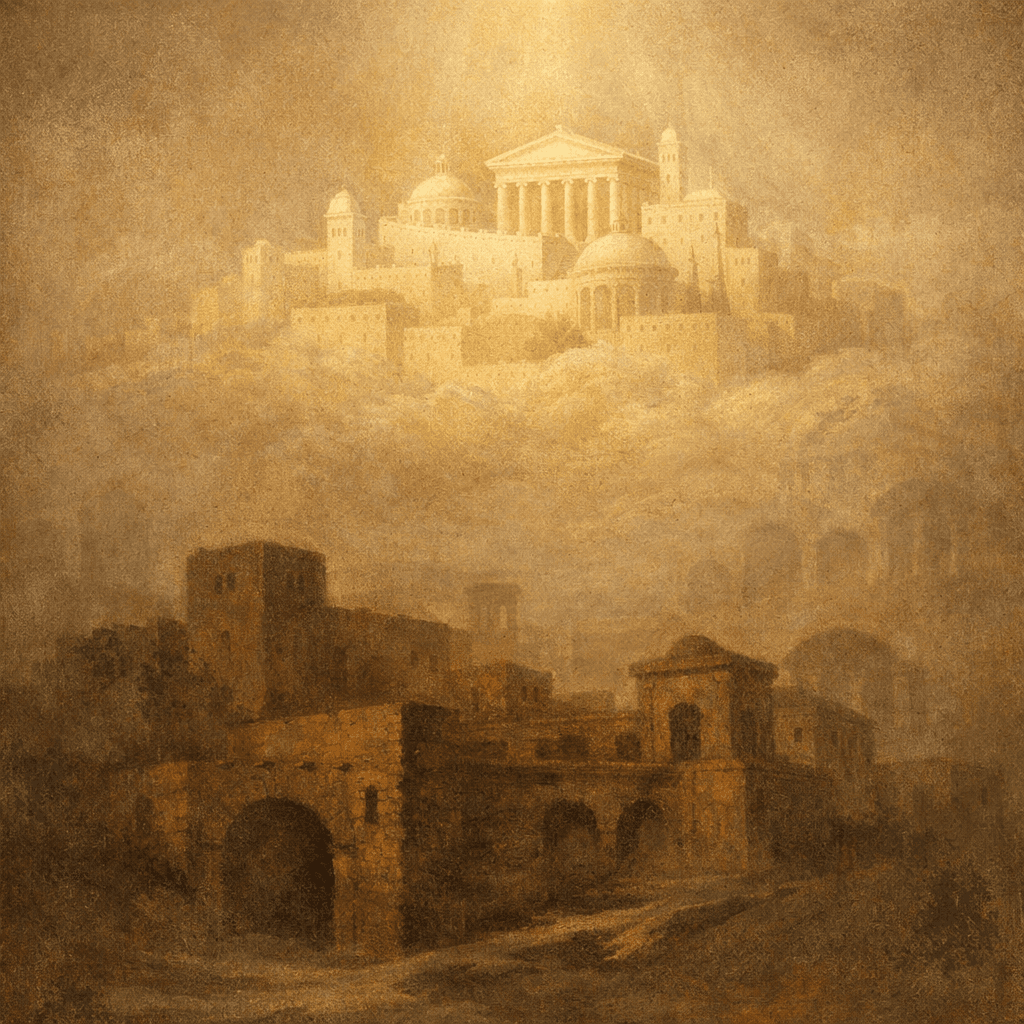
Philosophy's first move is to dissolve the assumption behind the problem. The puzzle assumes that divine foreknowledge is like human foreknowledge—a kind of pre-seeing of something that is future. But this is wrong. God does not see the future because, for God, there is no future. God exists outside time entirely.
God abides for ever in an eternal present, His knowledge, also transcending all movement of time, dwells in the simplicity of its own changeless present, and, embracing the whole infinite sweep of the past and of the future, contemplates all that falls within its simple cognition as if it were now taking place.
Knowledge Without Necessity
The key distinction is between necessity of the consequent and necessity of the consequence. When God knows that I will choose X, the choosing of X is necessary in the sense that it is certainly true—but it is not necessary in the sense of being compelled. A man walking down the street is certainly walking, but not compelled to walk; I can know with certainty that he is walking without thereby forcing his steps. Similarly, God's eternal knowledge of a free act does not cause or compel that act; it simply apprehends it, as it were from outside time, exactly as it freely occurs.
Eternity as Resolution
The concept of the eternal present—the nunc stans or 'standing now'—became one of the most influential ideas in medieval and early modern philosophy. Boethius did not invent it (it has roots in Plotinus and Proclus), but he gave it its most elegant formulation and its most urgent application. For Boethius, the eternal present is not merely a metaphysical curiosity but the key that unlocks the door of his prison: a good God can govern all things and know all choices, and human freedom is real, because God stands outside the sequence in which freedom and compulsion are opposed.
The eternal present argument appears in Book V, prose sections IV and VI. It was taken up by Anselm, Thomas Aquinas, and Duns Scotus, and remains a live position in analytic philosophy of religion.
Related Concepts