Sleeping Without Dreams
Zhuangzi's "pure man" is not a moral exemplar in the Confucian sense — someone who has mastered ritual and propriety. The pure man has transcended the calculations of gain and loss, life and death, success and failure. He acts without seeking results. When he fails, he has no cause for regret; when he succeeds, no cause for self-congratulation. This equanimity is not numbness but a deeper form of being present.
The pure men of old slept without dreams, and waked without anxiety. They ate without discrimination, breathing deep breaths. For pure men draw breath from their uttermost depths; the vulgar only from their throats.
Life and Death as One Process
The pure man does not know what it is to love life or fear death. He does not rejoice in birth nor strive to put off dissolution. He accepts the phenomenon of birth and death as part of one continuous transformation, just as the four seasons follow one another. The philosopher's friends in the chapter sing a song at the very moment of one friend's illness and dying: "Is God processing his left arm into a rooster? Then let us use it to herald the dawn." They do not grieve because they see transformation, not loss.
Zhuangzi argues that the ancient sages called excessive emotion the "trammels of mortality" — the chains that bind us to a narrow identification with a single, brief existence. The fuel burns out, but the fire is transmitted. Pure men see themselves as moments in an infinite process rather than isolated substances threatened by extinction.
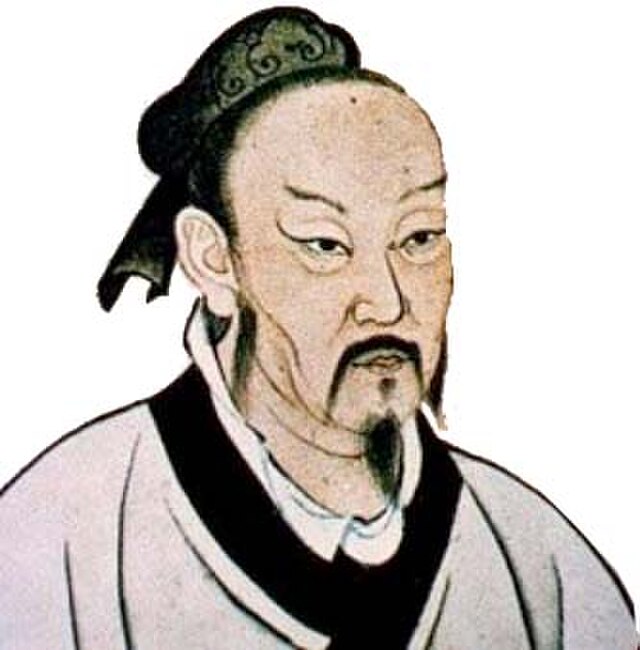
Chapter VI of the Zhuangzi (Giles, 1889). The concept of the pure or true man (zhēnrén) became central to later Daoist religious practice.
Related Concepts