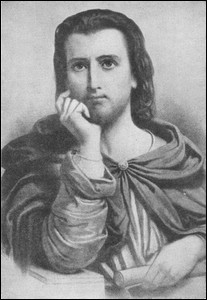
Vice Without Sin
A person can have vicious inclinations — strong appetites for food, sex, or power — without ever sinning, provided they never consent to those appetites when conscience prohibits them. The struggle itself, the experience of being tempted and resisting, is not sin but its opposite. Abelard goes further: the person who resists strong temptation may be more virtuous than the person who is barely tempted, because virtue under pressure reveals more clearly the quality of the will.
Sin Without Vice
Conversely, a person of apparently excellent character can sin: a just judge who knowingly gives a false verdict to save his reputation, a kind person who tells a convenient lie — these are sins precisely because they are deliberate, consented-to violations of what conscience recognises as obligatory. The external appearance of virtue does not excuse the interior contempt for obligation. What matters is the interior movement, not the outward character as perceived by others.
Moral Psychology vs. Social Morality
Abelard's distinction challenges any moral framework that evaluates character by its social expression. The person who appears virtuous but acts from self-interest, habit, or social pressure is not morally admirable in Abelard's scheme — they are merely well-behaved. True moral worth is invisible from outside; it is constituted by the will's inner relation to its own conscience. This makes moral evaluation, strictly speaking, impossible for anyone but God and the agent themselves.
Abelard's distinction between vice (vitium) and sin (peccatum) shaped later scholastic moral psychology. The division between sinful acts and the dispositions that incline toward them becomes central in Aquinas's treatment of the capital sins and the relationship between habit and act.
Related Concepts