Real Things as Divine Ideas
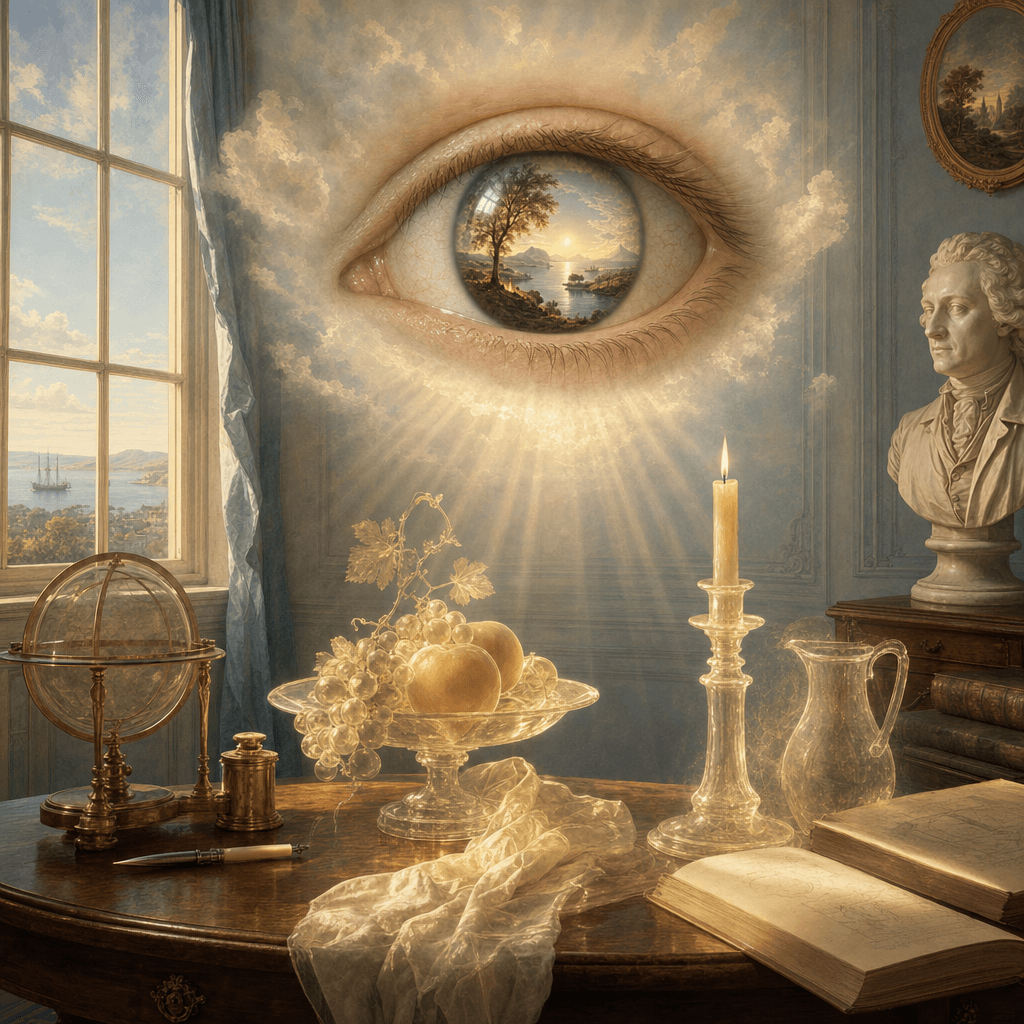
The ideas of sense are imprinted on us by the Author of Nature. They are called real things precisely because they are steady, orderly, and coherent — not the creatures of our own will, but excited in us by a wiser and more powerful spirit according to fixed rules we call the laws of nature.
The ideas imprinted on the Senses by the Author of nature are called REAL THINGS
Signs, Not Causes
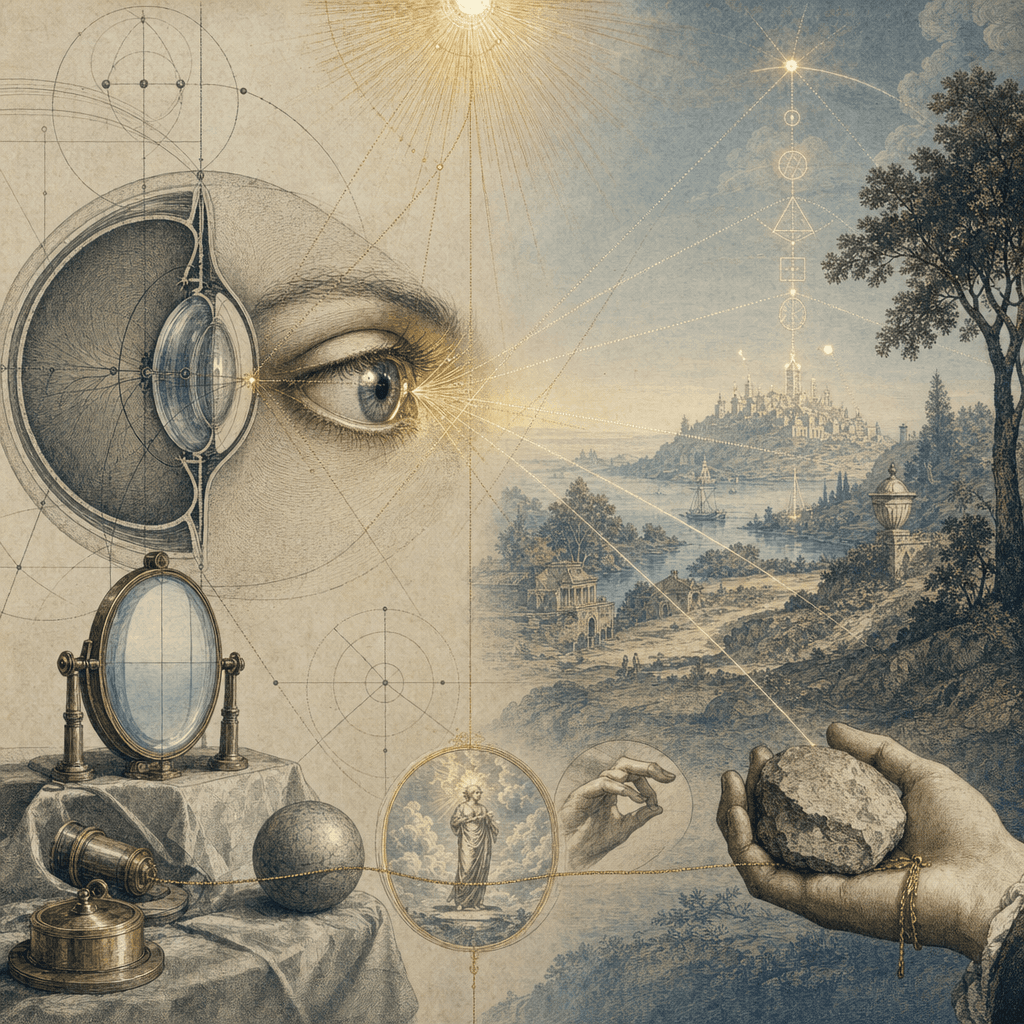
This transforms the task of science. When fire warms or bread nourishes, the fire and bread are not causes producing effects but signs foretelling what other ideas will follow. Natural philosophy, rightly understood, does not explain things by corporeal causes; it reads the signs instituted by the Author of Nature.
it is the searching after and endeavouring to understand those signs instituted by the Author of Nature, that ought to be the employment of the natural philosopher; and not the pretending to explain things by corporeal causes
A Constant Revelation
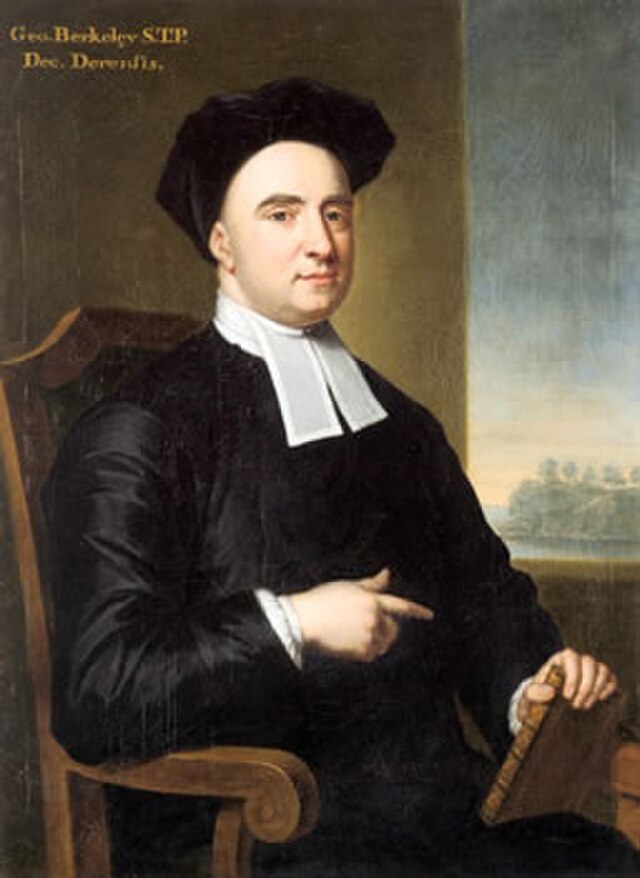
The consequence is a world that is a continual communication. The steadiness of nature that the materialist attributes to blind mechanism, Berkeley attributes to the constancy of a speaker — "that supreme and wise Spirit in whom we live, move, and have our being." God is not a remote first cause but the ever-present author of the sensible world, addressing us in the only language finite spirits can read.
The "language of the Author of Nature" is developed in the later sections of the Principles and again in the New Theory of Vision.
Related Concepts