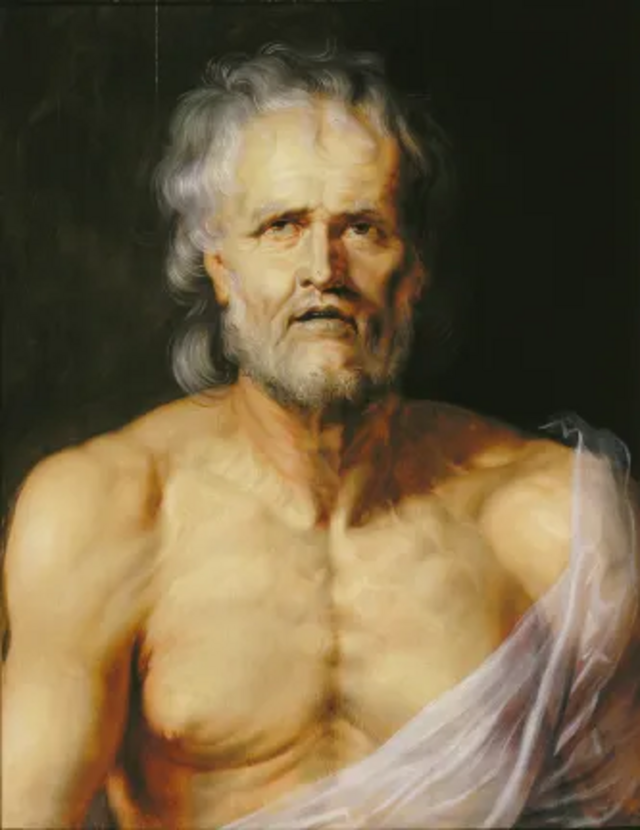
Serenity as the Mark of Greatness
For Seneca, serenity under provocation is not passivity — it is the sign of the most powerful kind of soul. The person who cannot be transported to anger by any accident has achieved something that no external force can produce: a settled inner constitution that the world's turbulence cannot disarrange. This is contrasted with the volatility of the angry person, who is at the mercy of every slight and every setback.
There is no surer argument of a great mind than not to be transported to anger by any accident; the clouds and the tempests are formed below, but all above is quiet and serene; which is the emblem of a brave man, that suppresses all provocations, and lives within himself, modest, venerable, and composed.
The Contagion of Anger
Anger spreads like a pestilence. No one is immune by temperament alone — not the slow-natured, not the good-natured, not the strong. A single provocative word can inflame a whole multitude. What protects against this contagion is not any natural advantage but a sustained philosophical practice: the deliberate cultivation of the habit of not taking offence, pursued day after day until it becomes second nature.
Living Within Oneself
The great mind "lives within himself" — a phrase Seneca uses to describe the achieved state of Stoic self-sufficiency. This is not isolation or indifference but a form of deep security: the person who finds their foundation in their own character rather than in the opinions and actions of others can engage with the world without being at its mercy. Anger, in this light, is always a symptom of insufficient self-possession.
Chapter VI of Of Anger represents Seneca at his most vividly rhetorical, moving from the sublime image of weather above the clouds to the squalor of a riot in a single paragraph — a characteristic Senecan technique of pairing the cosmic with the immediate.
Related Concepts